
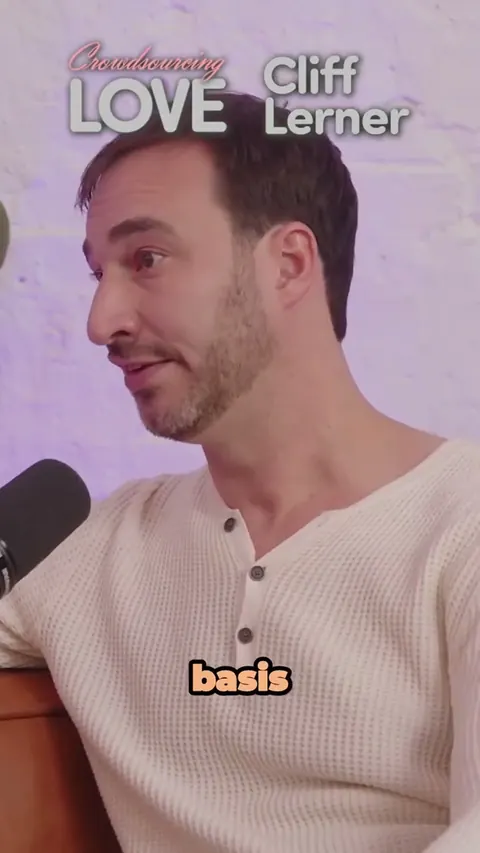
Crowdsourcing Love: From VHS tapes to AI
A short interview clip tracing the evolution of dating technology.
Original source ↗ (opens in a new tab)What’s covered
- Dating businesses in the 1960s and 1970s: VHS tapes mailed to a company, and weeks before a first date.
- The first dating websites, such as Match.com, JDate and eHarmony: profiles, questionnaires and email.
- Apps: Cliff says his was the first on Facebook and introduced swiping; Tinder added hyper-geolocation, so a date could happen within an hour.
- Why online dating is “still fundamentally broken,” and why he believes AI will solve its quality problem.
“We used to have a quantity problem. Now there’s too much quantity, and there’s a quality problem.”
Read the full transcript
Auto-transcribed from the clip’s on-screen captions and the YouTube captions of the full episode; not human-checked. Includes the host’s brief questions and reactions.
Can you walk me through the history of dating apps?
Oh boy. Yeah, sure. So when you think about online dating, dating actually started, dating businesses, in the ’60s and ’70s. And what would happen is people would send a video of themselves. They’d take a video, there’s this thing called…
That’s wild.
Wild. VHS, these cassette tapes. And they’d send it to the company, and they’d send you back a bunch of videos of people they thought would be a good match. And the whole process would take weeks before you go on your first date.
Okay.
So now if you think, then you’ve got websites. The internet comes along: Match.com, JDate, eHarmony are some of the early ones. And you’d have to upload a profile, answer a bunch of questions, and then you’d send an email. People three days later would reply back. Right, back in the day this is all new. People would have to gain trust and security. They’d call their friends: do you know this person? And it would still take weeks to go on a date.
Yeah. Fewer weeks.
And then as dating apps evolved, apps like mine, we were the first one to go on Facebook. You’d click a button, import all your profile data. We introduced swiping. And now it would take only a few days. Much faster, easier. And then you had Tinder. They were the first one to do hyper-geolocation. You could go on it and literally be on a date in less than an hour. And when you think about it, you go on an online dating site, the core thing you’re looking for is to go on a date. Now of course you want to go on a quality date. So each of those iterations over the last 50 years has been about making it faster to deliver the value you want, which is go on a date.
Okay.
The problem now is it’s so easy to match and go on a date, it’s exacerbated the quality problem. There’s no scarcity. We used to have a quantity problem. Now there’s too much quantity, and there’s a quality problem. And people value their time more than ever, and they’re sick of bad dates. So the… it’s still fundamentally broken. I believe the next great dating product, what it looks like, is it focuses on the quality problem. And that’s where AI is going to solve it.
Why it matters
Cliff lived much of this history: Snap Interactive launched the world’s first dating and swiping app, and his recent work applies AI to real-life connection.
More videos
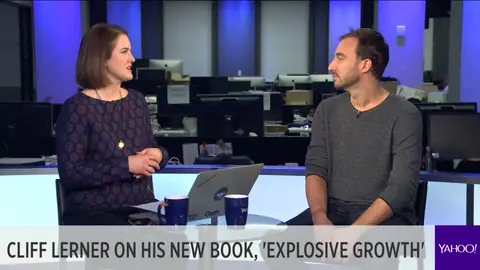 Yahoo Finance · December 7, 2017 · 8:23Startup lessons and bitcoinThe full interview on The Final Round, on building a startup and the lessons behind Explosive Growth.
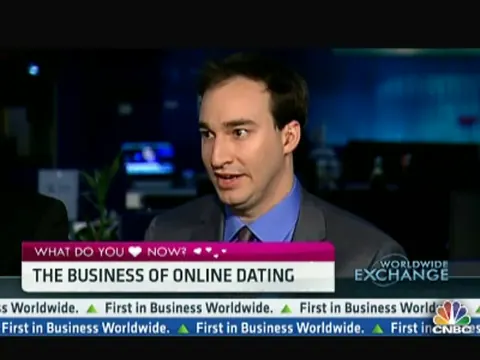 CNBC · February 14, 2012 · 4:41The business of online datingCliff discusses the shift to mobile and social dating as CEO of Snap Interactive.
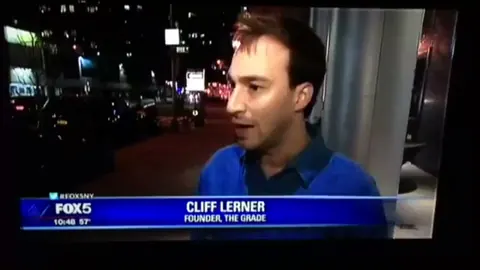 Fox 5 · November 12, 2015 · 2:05The Grade and the hottest namesA Fox 5 segment on The Grade dating app and its hottest-names ranking.
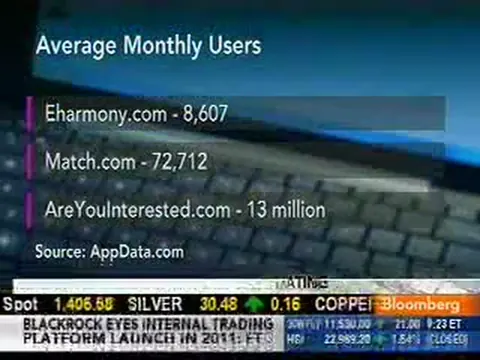 Bloomberg · December 29, 2010 · 1:43A Facebook app shakes up datingA December 29 morning report on Snap Interactive and Facebook dating.
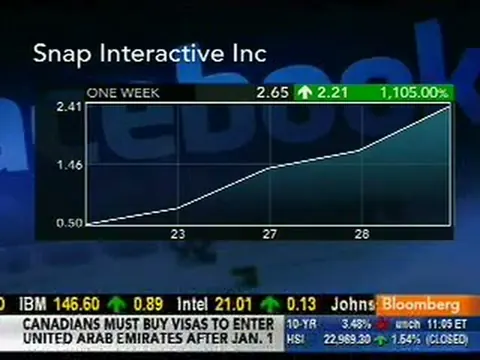 Bloomberg · December 29, 2010 · 2:47Snap Interactive in the spotlightBloomberg on the day Snap Interactive stock exploded after the dating app went viral.
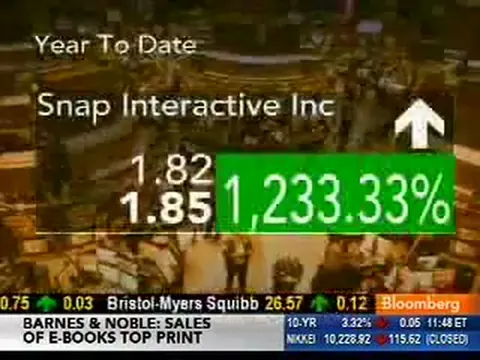 Bloomberg · December 31, 2010 · 5:55Snap Interactive at year endBloomberg’s year-end look at Snap Interactive and its run in 2010.
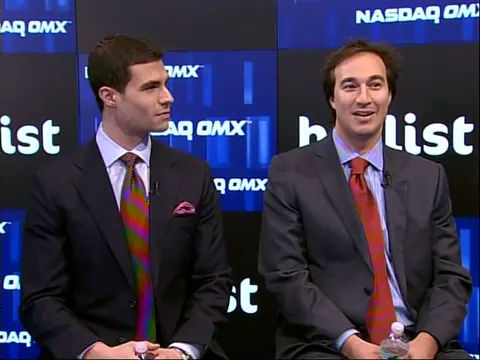 Nasdaq · December 30, 2011 · 5:59Expert Series with Chris MirabileAn Expert Series conversation with Cliff Lerner and Hotlist founder Chris Mirabile.
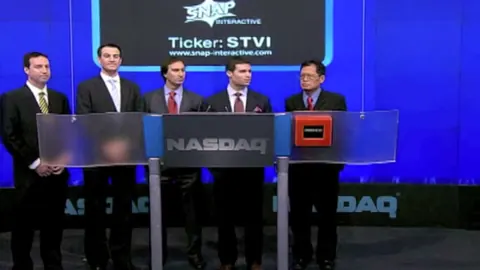 Nasdaq · January 3, 2012 · 3:57Ringing the opening bellThe Hotlist opening-bell highlight reel, from the SNAP and Hotlist media archive.
 Crowdsourcing Love · December 12, 2023 · 1:00The loneliness epidemicA short interview clip on loneliness and its impact on mental health.